What Single Women Get Wrong About Calling and What Scripture Actually Says
—
Mission Single Podcast
—
A conversation with author and speaker Joanna Meyer on vocation, singleness, grief, and the bigger story of our calling.
Few words in Christian circles carry more anxiety than calling. Women spend years waiting for a divine announcement, the unmistakable sign that tells them exactly who to marry, what career to pursue, and which city to move to. When the sign never comes, doubt sets in. Did I miss it? Was I listening closely enough?
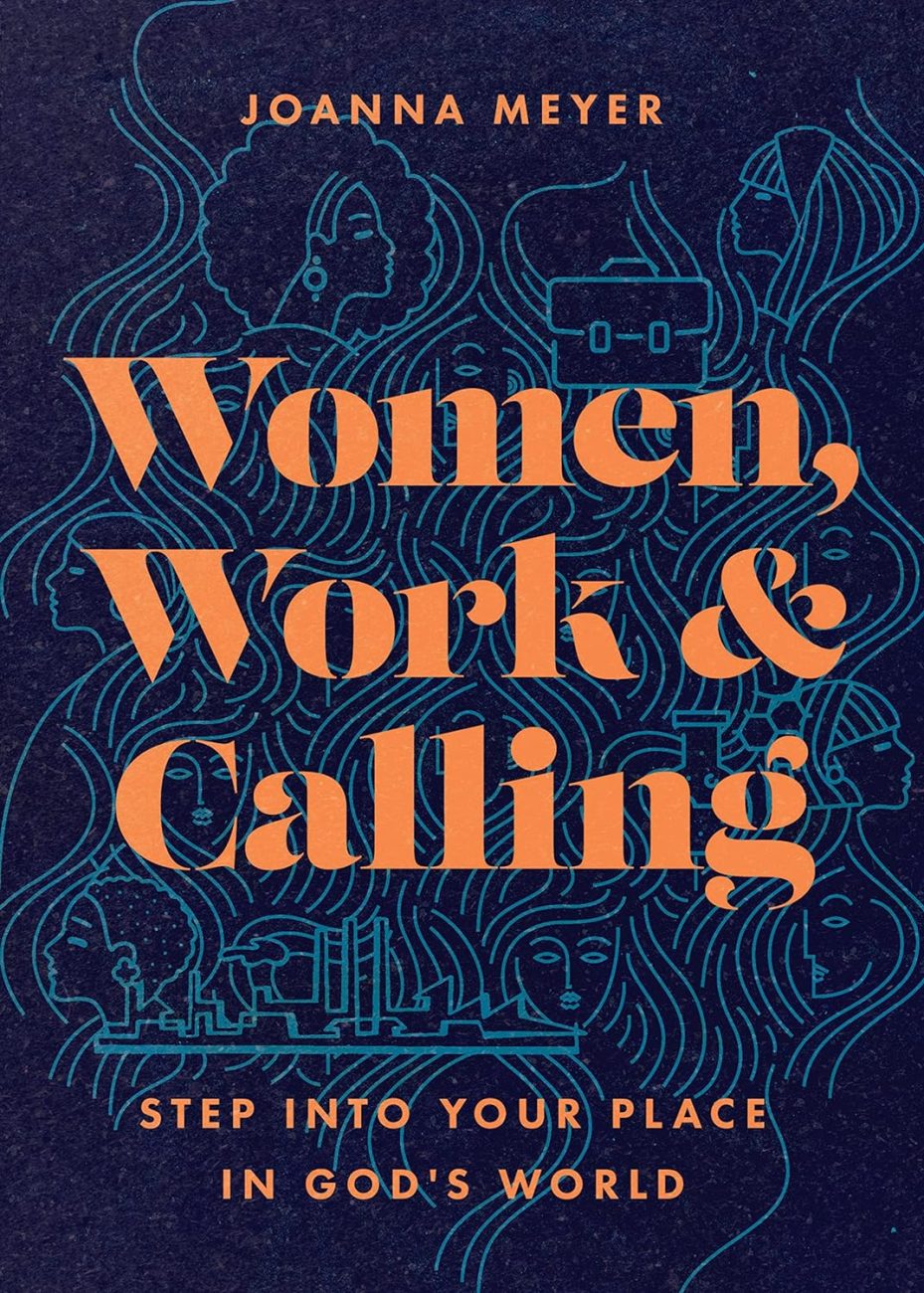
Joanna Meyer, author of Women, Work, and Calling, has spent years helping women untangle cultural baggage from biblical truth on this very question. You may be surprised by what she has found. The pressure many of us feel around calling isn’t coming from Scripture; it’s coming from us.
Calling Isn’t a Needle in a Haystack
The word vocation comes from the Latin vox — voice. At its most fundamental, calling simply means living before God, responsive to His voice, in all things. It’s not a single dramatic announcement. It’s a whole-life posture.
That reframe alone dismantles one of the most common misconceptions that calling is deeply hidden and requires an extraordinary effort to find.
“Would a loving God hide His will from us? No. If He has a very specific plan for us, He’s going to be clear about that.” — Joanna Meyer
Scripture does include examples of singular, unmistakable callings — Paul knocked from his horse on the road to Damascus, Mary told by an angel that she would carry the Christ child, and Moses at the burning bush. But Joanna points out that the original biblical language distinguishes between two very different types of calling.
- A distinctive call — where God sets apart a specific person for a unique purpose in the history of Israel or the church. This is rare, extraordinary, and not normative.
- A general call — available to every believer, everywhere, in every era. It’s an invitation into relationship with Christ and a life of discipleship and service.
Most of us are living under the second kind. And that calling, Joanna argues, is far richer and more liberating than the narrow, elusive version many of us have been chasing.
Calling Is Formed, Not Found
One of the most freeing ideas in this conversation is one that runs counter to much of what American Christianity teaches: not everyone has one specific calling to locate and fulfill.
Instead, drawing on the work of scholars like Steve Garber (Visions of Vocation) and Todd Bulsinger, Joanna offers a different picture — calling is something God forms in us as we walk with Him, not something we have to hunt down before we can begin.
“As we live with Him, He puts us in places. The unique area of the world we live in, our family structure, our marital status, and the period of history we’re in. None of that is accidental. It’s part of what God has placed us in.” — Joanna Meyer
Look back at your own life, and you’ll likely see it: the relationships, experiences, losses, and unexpected turns that shaped you into exactly the person needed for the work you’re doing right now. God wasn’t absent during those years of formation. He was preparing you.
This view also untangles a painful belief that there is one specific person you are supposed to marry, and that a wrong turn somewhere costs you your destiny. It’s a belief that produces enormous guilt and anxiety, and isn’t supported by Scripture.
The Instructions Are Already There
If calling is broader and more general than we’ve been taught, what does it actually look like to live it out? Joanna points to 2 Peter 1 as a grounding passage.
His divine power has given us everything we need for a godly life through our knowledge of him who called us by his own glory and goodness… make every effort to add to your faith goodness; and to goodness, knowledge; and to knowledge, self-control; and to self-control, perseverance; and to perseverance, godliness; and to godliness, mutual affection; and to mutual affection, love.
2 Peter 1:3–7
The passage begins with a remarkable statement: we already have everything we need for the life God has called us to. Not eventually. Not when we’ve figured out our specific purpose. Now.
What follows isn’t a job description; it’s a character description. Faith. Goodness. Knowledge. Self-control. Perseverance. Godliness. Mutual affection. Love. “If that’s the only instruction you get in life,” Joanna says, “you could build a rich and purposeful life following these instructions.”
Singleness, Calling, and the Bigger Story
For single women especially, the conversation around calling gets tangled up with questions about marriage. When will it happen? Did I do something wrong? Is my life somehow on hold until it does?
Joanna — herself a single woman who has navigated these questions for decades — offers a perspective grounded in Scripture’s grand arc rather than cultural expectations. Every person who follows Christ is called to be an agent of flourishing in the world, regardless of marital status.
“To find the unique place that I fit in that bigger story is very freeing. We know that we do have a unique place in that grand story of God, and it gives us confidence in the specialness of what He has for us.”
Joanna Meyer
She describes it this way: the personal story of faith — my sin forgiven, my relationship with God restored — exists within a much broader story. It begins in Genesis, where men and women made in God’s image are entrusted with the stewardship of creation. It moves through the fall, the brokenness of sin, and the stunning redemption offered through Christ. It ends, as Revelation 21 describes, with all things made new.
This framing helps dissolve some of the loneliness that singleness can bring. It locates our lives inside something vast and purposeful, rather than leaving us waiting on the sidelines for our “real life” to begin.
The Grief That No One Talks About
Joanna speaks with unusual honesty about the harder parts of her own journey, including a period of profound grief before a hysterectomy that marked the end of her hope for biological children. She describes crying in church for nearly a year, a quiet panic as she tried everything within her power to change her circumstances. There’s a particular loneliness of grief that society doesn’t quite have language for.
The term is disenfranchised grief — a grief that isn’t recognized or validated by those around us because it doesn’t fit a traditional mold. No funeral, no clear moment of loss. Instead, it’s the slow realization that a dream won’t be realized.
She noticed quickly that not everyone in her life had the capacity to sit with that kind of ambiguity. Well-meaning people offered solutions. Others implied that her difficult emotions pointed to a lack of contentment.
“We also need to be okay with sitting with people in a place where you cannot solve your problem through your own effort and still experience grief around it.” — Joanna Meyer
Her honesty here is a gift. For any woman who has experienced a similar hidden grief over childlessness, over a relationship that never came, over a version of her life that didn’t materialize, she wants you to know that you are seen. You are not alone.
On Limiting Beliefs and the Voice of God
Our capacity to step into our calling is often undermined by the stories we tell ourselves about our own worthiness. Joanna calls these limiting beliefs. The harmful messages absorbed from harsh teachers, dismissive communities, or painful seasons that quietly convince us we are not enough.
The antidote, she says, isn’t positive thinking. It’s returning, again and again, to what is actually true.
“True confidence combines biblical wisdom with human action.”
Joanna Meyer
She points to the moment of Christ’s baptism, when the Father speaks over His Son. This is my beloved Son, in whom I am well pleased. Through Christ, that same acceptance, that same belovedness, is extended to us. We may need to remind ourselves of it every single day. But it is the ground we stand on.
Learning to recognize the particular flavor of your own limiting beliefs is also part of the work. “When you can learn the sound of the enemy,” she says, “you can better respond to it and identify it early.”
A More Integrated Life
For the woman who sees unlimited possibilities and has no idea which one to pursue, Joanna’s advice is pointed. Get a good theology of work.
Too often, Christians treat holiness as something added onto ordinary life — attend church, join a small group, volunteer, go on a retreat. The implication is that the work itself, the daily labor, is spiritually neutral at best. But Scripture tells a different story.
God is at work renewing all things. Every pocket of creation is an opportunity for His healing influence. A manager who leads her team with honesty and grace is doing kingdom work. A woman who makes her home a place of life and beauty is doing kingdom work. A business owner who creates dignified employment for people rebuilding their lives is doing kingdom work.
The invitation is not to add spiritual activity to an otherwise secular life. It’s to bring God into all of it and to recognize that He’s already there.
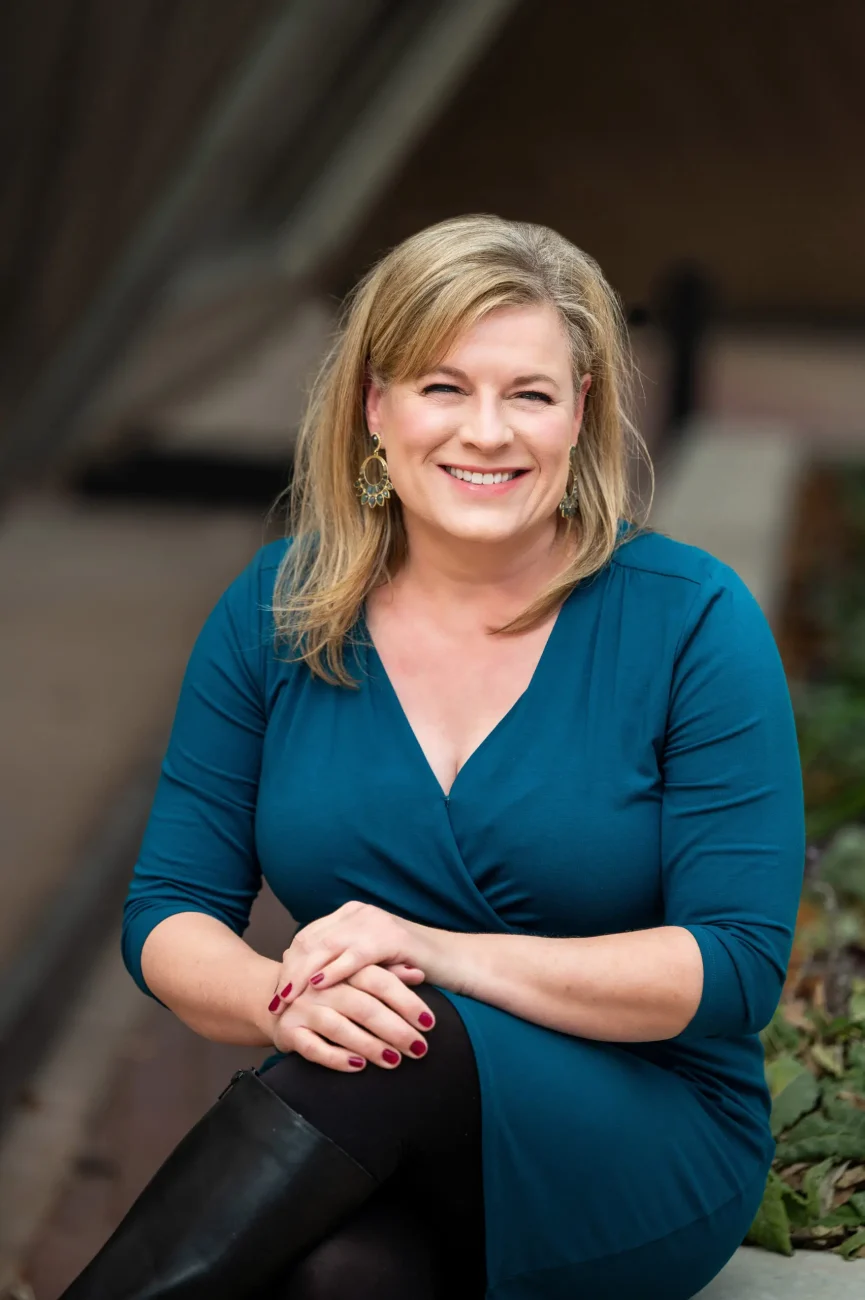
Joanna Meyer is the Founder and Executive Director of Women, Work, & Calling, a national initiative of the Denver Institute for Faith & Work.
Joanna authored the award-winning book Women, Work, & Calling: Step into Your Place in God’s World (InterVarsity Press) and contributed to Women & Work: Bearing God’s Image and Joining His Mission through Our Work (B&H Books).
This article was adapted from an interview with Joanna Meyer. To hear the full conversation, watch the complete episode on the Mission Single Podcast, hosted by Kelly Werner.
More From Our Blog!
Afraid of Dying Alone? What Every Single Woman Needs to Hear
An honest conversation about singleness, faith, and finding your purpose in the family-centered church.
Loosing My Husband To Cancer
When her husband was diagnosed with brain cancer, Lori Hearn had to find out what her faith was truly made of. What she discovered has shaped how she walks alongside others in their darkest seasons.
How to Rebuild Your Life as a Single Mom
A conversation with interior designer and entrepreneur Katina Sullivan on lament, identity, and letting God rewrite your story.